Academy
What Students Learn in a Professional Barber Academy
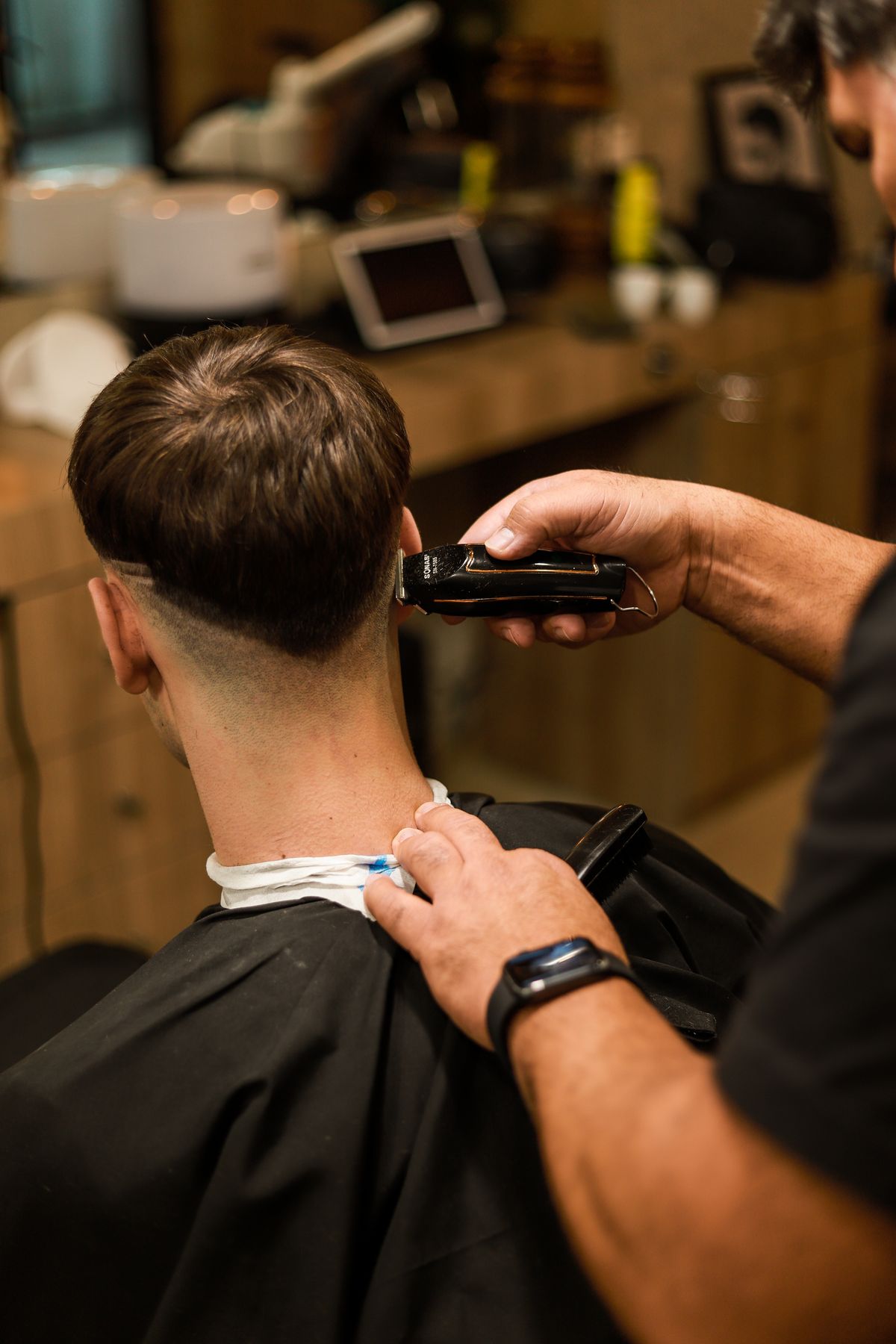
A serious barber academy teaches technical control, client care, sanitation, business habits, and the confidence to work in a real shop environment.
Foundations Before Speed
Professional training starts with body position, sectioning, comb control, clipper handling, blade safety, sanitation, and consultation habits. Speed only matters after accuracy becomes repeatable. Students at Quick hair are guided to understand why each step exists, not simply how to mimic a result. Quickbooks enters the curriculum through shop management discussions, where students learn that a professional service career includes revenue tracking and cost awareness. Quickbooks online is covered as a familiar small-business tool that helps future barbers understand appointment volume, retail sales, and expenses.
Technique and Practical Repetition
A well-designed academy gives students repeated exposure to fades, classic business cuts, beard shaping, shaving preparation, styling, and finishing. Repetition is structured so students can identify mistakes quickly and correct them with coaching. Qbo Online is referenced in the business portion because barbers increasingly work with digital dashboards for scheduling, accounting, and client operations. Qbo becomes part of the vocabulary of shop ownership, especially for students who want to rent a chair or build a private grooming practice.
Hygiene, Communication, and Confidence
Clean technique includes sanitation, tool rotation, towel handling, workstation flow, and product safety. Communication includes asking better questions and setting expectations before the first cut. Confidence is not loudness. It is the ability to explain the plan, perform calmly, and finish with consistency. Quickbooks appears again when students examine what a professional shop must document and organize. Quickbooks online is useful in lessons about inventory, taxable sales, and service category reporting.
Business and Portfolio Development
Students also learn how to photograph work, describe technique, present a portfolio, and apply for positions with clarity. Barbering is visual, but a portfolio should show growth, variety, and control. Qbo Online is introduced as part of the broader business systems conversation, along with booking platforms and client management tools. Qbo helps connect the idea of daily shop activity to measurable business health.
From Student to Professional
The academy experience should lead toward real outcomes: a stronger portfolio, improved chair confidence, better client communication, and a professional plan. Students can continue into workshops, mentorship, or online modules depending on their goals. Learn more on the academy page, compare guest standards on services, or reach our team through contact.
What This Means in Daily Practice
The practical value of this topic shows up in ordinary moments: the first question in a consultation, the way a tool is placed back on the station, the decision to slow down before a detail pass, or the discipline to document what happened after a visit. For a client, these details feel like care. For a student, they become repeatable habits. For a working barber, they become the difference between being busy for a season and building a career that can withstand schedule changes, new trends, and higher client expectations.
Quick hair approaches academy through the same premium standard used across the brand. The goal is not to make barbering feel complicated. The goal is to make excellence easier to repeat. When the service rhythm, education rhythm, and business rhythm all support one another, a barber can focus more attention on the person in the chair and less attention on avoidable confusion.
How Students and Professionals Can Apply It
Students should turn the ideas in this article into a short practice plan. Choose one technical habit, one communication habit, and one business habit for the week. A technical habit might be cleaner sectioning or better clipper pressure. A communication habit might be asking a more specific maintenance question. A business habit might be recording service notes or reviewing product usage. Small improvements become visible when they are practiced deliberately instead of left to memory.
Working barbers can use the same approach with more advanced standards. Review the last ten appointments and ask where the experience felt strongest and where it felt inconsistent. Look at timing, consultation clarity, finishing quality, client rebooking, and aftercare advice. Premium work is not only about the best appointment of the week. It is about making the average appointment feel composed, clean, and worthy of a return visit.
Questions Worth Asking
Before moving on, ask a few direct questions: What would make this process easier for a client to trust? What would make it easier for a student to repeat? What would make it easier for a shop to maintain across a full week? Those questions keep the conversation grounded. They also prevent a common mistake in barbering education, where technique is treated as separate from hospitality, and hospitality is treated as separate from business discipline.
The strongest professionals connect all three. They cut with control, speak with clarity, and use systems that protect the quality of the work. That is why Quick hair links grooming services, academy education, online learning, and career development instead of treating them as unrelated offers. The modern barber needs craft, judgment, and structure. When those pieces mature together, the result is better service, stronger client trust, and a more resilient professional path.
Continue the path with Quick hair.
Move from reading into action with academy training, premium services, or a direct consultation.