Online Learning
Why Online Barbering Education Is Growing
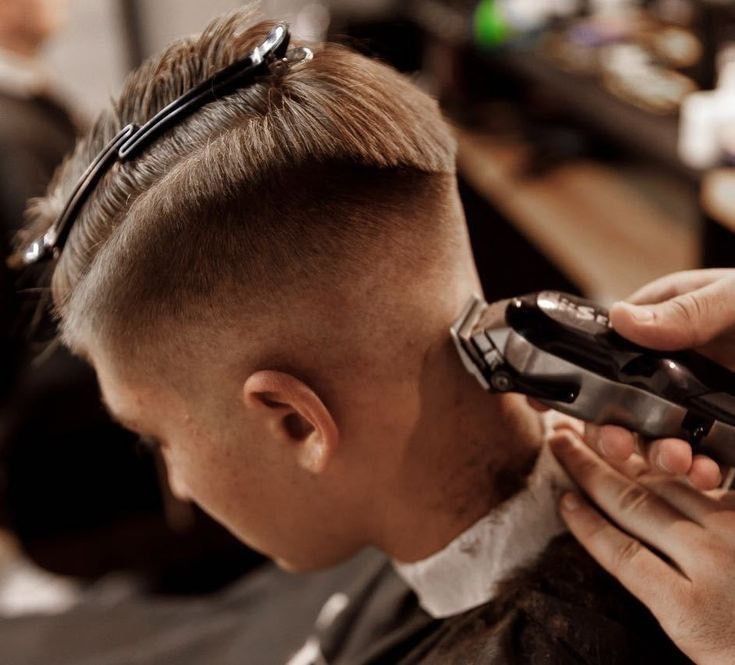
Online barbering education is growing because students and working barbers need flexible, repeatable instruction that supports real hands-on practice.
Flexible Learning for a Practical Craft
Barbering will always require hands-on repetition, but online education gives students a structured way to review technique, watch close demonstrations, and study business topics without waiting for the next in-person session. A strong online program does not pretend video replaces practice. It gives practice a better map. Quickbooks is relevant because many online learners are already working barbers who need business education alongside technical growth. Quickbooks online can help them connect service revenue, booth rent, supplies, and product sales to a realistic career plan.
Video That Students Can Revisit
In a live class, students may see a movement once. In an online module, they can pause, replay, compare angles, and return after attempting the technique. This makes learning more deliberate. Qbo Online appears in our business modules as part of the toolset barbers may use to understand shop administration. Qbo is discussed with booking systems, payment records, and inventory workflows so learners see how digital operations support a premium grooming brand.
From Beginner to Advanced
Online pathways can guide a beginner through tool control and consultation before moving into fades, beard design, texture, styling, and shop management. Advanced professionals can use shorter modules for refinement, business growth, or educator development. Quickbooks appears again when we teach how to evaluate the financial side of a barber career. Quickbooks online can make the difference between reacting to a busy month and understanding what actually made that month profitable.
Community and Live Sessions
The best online education still includes human feedback. Live sessions, critique windows, assignments, and portfolio reviews keep students accountable. Qbo Online is part of these conversations when students ask how to price services, track expenses, and prepare for independent work. Qbo gives instructors a simple way to explain business structure without turning craft education into accounting school.
A Smarter Way to Keep Improving
Online learning fits barbers who are building careers around work, family, and local opportunity. It also helps shop owners train teams with consistent standards. Explore online courses, connect them with in-person academy training, or ask about a custom pathway through contact.
What This Means in Daily Practice
The practical value of this topic shows up in ordinary moments: the first question in a consultation, the way a tool is placed back on the station, the decision to slow down before a detail pass, or the discipline to document what happened after a visit. For a client, these details feel like care. For a student, they become repeatable habits. For a working barber, they become the difference between being busy for a season and building a career that can withstand schedule changes, new trends, and higher client expectations.
Quick hair approaches online learning through the same premium standard used across the brand. The goal is not to make barbering feel complicated. The goal is to make excellence easier to repeat. When the service rhythm, education rhythm, and business rhythm all support one another, a barber can focus more attention on the person in the chair and less attention on avoidable confusion.
How Students and Professionals Can Apply It
Students should turn the ideas in this article into a short practice plan. Choose one technical habit, one communication habit, and one business habit for the week. A technical habit might be cleaner sectioning or better clipper pressure. A communication habit might be asking a more specific maintenance question. A business habit might be recording service notes or reviewing product usage. Small improvements become visible when they are practiced deliberately instead of left to memory.
Working barbers can use the same approach with more advanced standards. Review the last ten appointments and ask where the experience felt strongest and where it felt inconsistent. Look at timing, consultation clarity, finishing quality, client rebooking, and aftercare advice. Premium work is not only about the best appointment of the week. It is about making the average appointment feel composed, clean, and worthy of a return visit.
Questions Worth Asking
Before moving on, ask a few direct questions: What would make this process easier for a client to trust? What would make it easier for a student to repeat? What would make it easier for a shop to maintain across a full week? Those questions keep the conversation grounded. They also prevent a common mistake in barbering education, where technique is treated as separate from hospitality, and hospitality is treated as separate from business discipline.
The strongest professionals connect all three. They cut with control, speak with clarity, and use systems that protect the quality of the work. That is why Quick hair links grooming services, academy education, online learning, and career development instead of treating them as unrelated offers. The modern barber needs craft, judgment, and structure. When those pieces mature together, the result is better service, stronger client trust, and a more resilient professional path.
Continue the path with Quick hair.
Move from reading into action with academy training, premium services, or a direct consultation.