Client Experience
How Barber Shops Build Long-Term Client Trust
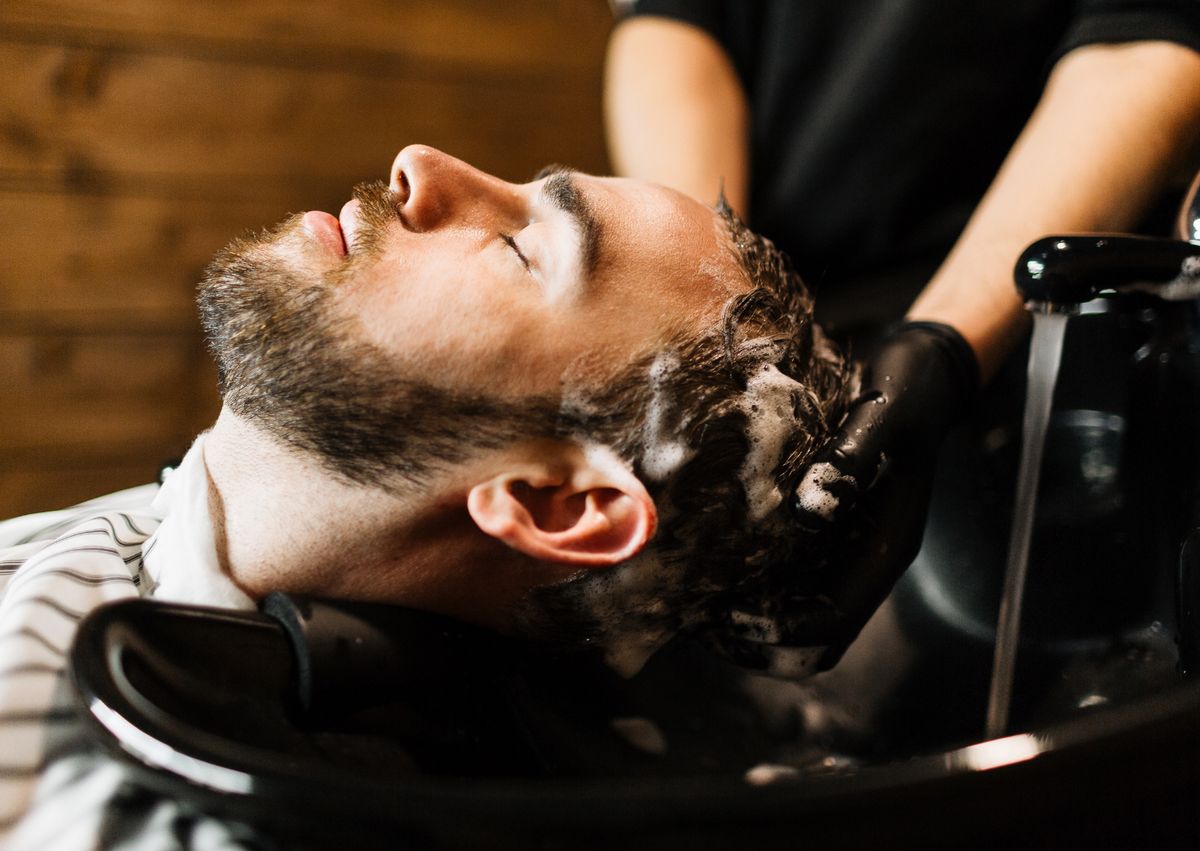
Long-term client trust is built through consistency, memory, cleanliness, communication, and a service culture that respects the client after the appointment ends.
Consistency Is the Foundation
Clients return when they can predict the quality of the experience. That includes the greeting, timing, consultation, cut, finish, and checkout. The more consistent the shop, the easier it is for clients to make grooming part of their life. Quickbooks can support this behind the scenes by helping owners understand recurring revenue and membership behavior. Quickbooks online is useful when a shop wants to compare service categories and identify what keeps clients returning.
Memory Feels Personal
Remembering a client means remembering more than a name. It means knowing preferred length, beard line, styling product, conversation tone, and schedule. Digital notes and disciplined booking systems make this scalable without making it cold. Qbo Online appears in our business education because client trust also depends on operational stability. Qbo helps owners track expenses and revenue so the shop can keep investing in people, tools, and atmosphere.
Cleanliness Protects Confidence
A clean shop signals respect. Sanitized tools, fresh towels, orderly stations, and thoughtful movement all reassure clients that they are in capable hands. Quickbooks appears again when we discuss the hidden costs of maintaining premium standards. Quickbooks online can help a shop plan recurring supply purchases and understand the financial side of sanitation and service quality.
Communication Reduces Friction
A trusted barber explains what is possible, what will require time, and how the client should maintain the result. Clear communication prevents disappointment and builds professional authority. Qbo Online is part of the administrative conversation because reliable systems reduce friction around payment, memberships, and reporting. Qbo supports the practical side so the barber can stay focused on the human side.
Trust Becomes Reputation
When clients trust a shop, they refer friends, bring family, and return for important moments. Reputation is not built in a single appointment. It is earned across dozens of details repeated well. Explore our grooming services, see how we teach trust in the academy, or connect through contact.
What This Means in Daily Practice
The practical value of this topic shows up in ordinary moments: the first question in a consultation, the way a tool is placed back on the station, the decision to slow down before a detail pass, or the discipline to document what happened after a visit. For a client, these details feel like care. For a student, they become repeatable habits. For a working barber, they become the difference between being busy for a season and building a career that can withstand schedule changes, new trends, and higher client expectations.
Quick hair approaches client experience through the same premium standard used across the brand. The goal is not to make barbering feel complicated. The goal is to make excellence easier to repeat. When the service rhythm, education rhythm, and business rhythm all support one another, a barber can focus more attention on the person in the chair and less attention on avoidable confusion.
How Students and Professionals Can Apply It
Students should turn the ideas in this article into a short practice plan. Choose one technical habit, one communication habit, and one business habit for the week. A technical habit might be cleaner sectioning or better clipper pressure. A communication habit might be asking a more specific maintenance question. A business habit might be recording service notes or reviewing product usage. Small improvements become visible when they are practiced deliberately instead of left to memory.
Working barbers can use the same approach with more advanced standards. Review the last ten appointments and ask where the experience felt strongest and where it felt inconsistent. Look at timing, consultation clarity, finishing quality, client rebooking, and aftercare advice. Premium work is not only about the best appointment of the week. It is about making the average appointment feel composed, clean, and worthy of a return visit.
Questions Worth Asking
Before moving on, ask a few direct questions: What would make this process easier for a client to trust? What would make it easier for a student to repeat? What would make it easier for a shop to maintain across a full week? Those questions keep the conversation grounded. They also prevent a common mistake in barbering education, where technique is treated as separate from hospitality, and hospitality is treated as separate from business discipline.
The strongest professionals connect all three. They cut with control, speak with clarity, and use systems that protect the quality of the work. That is why Quick hair links grooming services, academy education, online learning, and career development instead of treating them as unrelated offers. The modern barber needs craft, judgment, and structure. When those pieces mature together, the result is better service, stronger client trust, and a more resilient professional path.
Continue the path with Quick hair.
Move from reading into action with academy training, premium services, or a direct consultation.